headlines are cluttered with viral AI tools, the real shift is happening in On-Device Intelligence and Inference Hardware. We are moving away from the ‘Cloud-First’ era toward a more decentralized, privacy-focused digital infrastructure.
What matters most this year isn’t just a new gadget; it’s the convergence of LPU architecture (like Groq), M-series neural engines, and Android 17’s Gemini-core. These systems are reshaping how we process data—moving from slow, server-dependent AI to instant, local execution.
In this updated 2026 guide, we strip away the marketing noise to explore the trends that are solving real-world latency and privacy crises.
Table of Contents
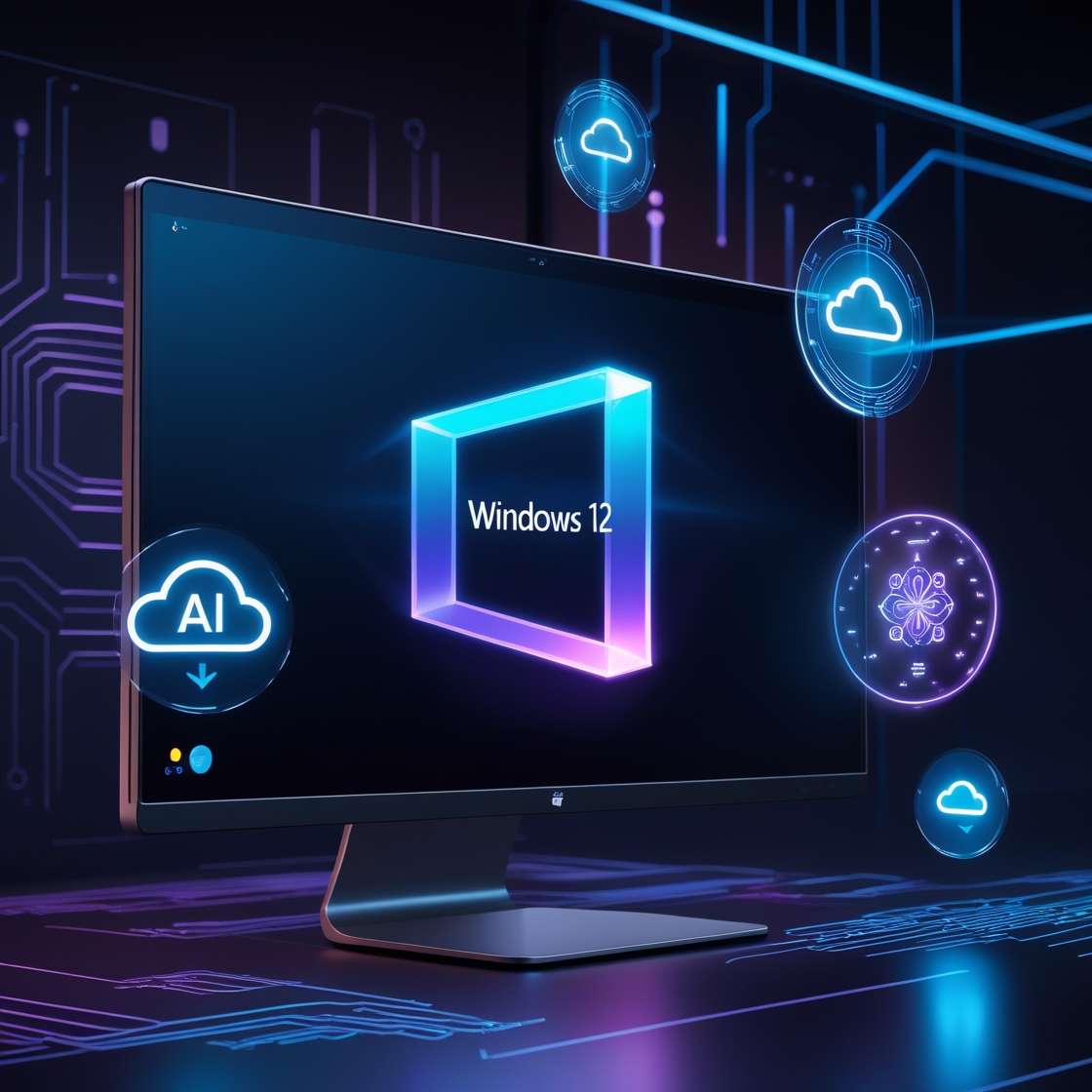
AI Infrastructure: The Shift to On-Device Agents (Gemini & Windows 12)

In 2026, Artificial Intelligence has transitioned from a cloud-based service to core digital infrastructure. The most significant evolution is the rise of On-Device AI. Unlike previous years where AI relied on remote servers, 2026 is the year of Gemini-powered Android 17 agents and deep AI integration within Windows 12. This shift ensures that AI is no longer just a feature but a foundational layer that operates locally, providing faster, more secure, and offline-capable workflows.
The Hardware War: Nvidia GPUs vs. Groq LPUs vs. Apple M4
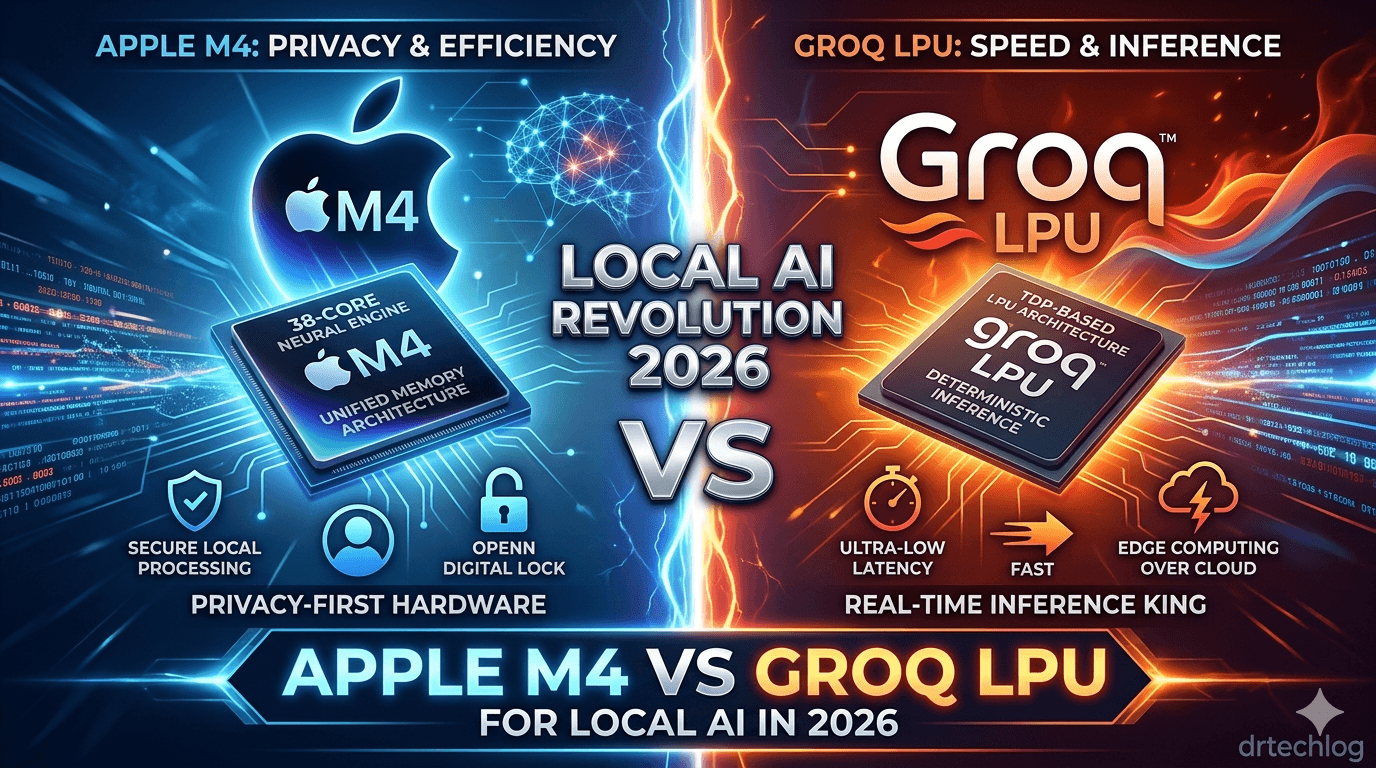
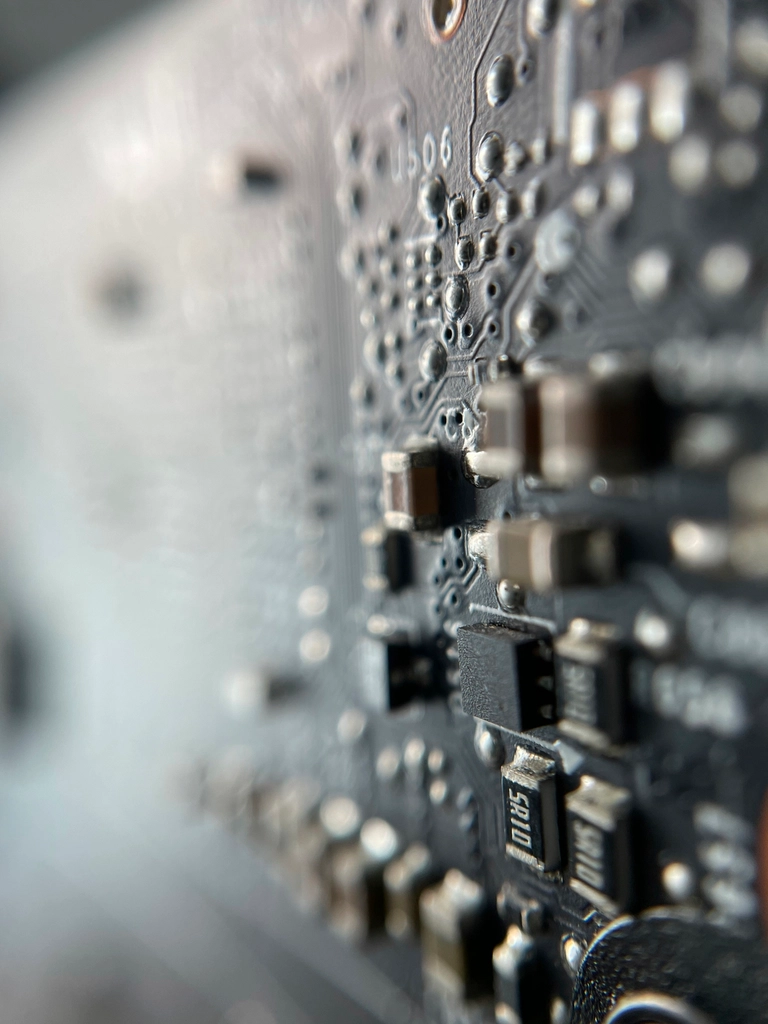
The semiconductor race in 2026 is no longer just about raw power; it’s about Inference Efficiency. While Nvidia continues to lead in AI training, the focus has shifted to hardware that can run AI models instantly. This is where the Groq LPU (Language Processing Unit) has disrupted the market by offering near-zero latency for LLMs. Simultaneously, the Apple M4 chip has brought massive neural processing capabilities to consumer devices like the iPad Pro, allowing professionals to run complex AI models without ever sending data to the cloud.
Why chips matter more now
In 2026, the semiconductor race is no longer just about performance. It is about:
- Supply chains
- Manufacturing capacity
- Data center expansion
- Energy consumption
- Geopolitical influence
The companies and regions that control advanced chip production are shaping the future of artificial intelligence itself.
What this means for businesses and consumers
For businesses, chip availability affects everything from cloud computing costs to product development speed. If access to advanced hardware becomes expensive or limited, innovation slows down.
For consumers, the impact may be less visible but still significant. The price, performance, and intelligence of everyday devices increasingly depend on semiconductor availability and efficiency. Whether it is a laptop, smartphone, smart home device, or AI assistant, better hardware enables better experiences.
The challenge
The downside is that the global chip ecosystem remains highly concentrated and vulnerable. Manufacturing bottlenecks, political tensions, and rising energy demands all make this area more fragile than it appears.
That makes chips not only a technical issue, but also an economic and strategic one. In many ways, the future of AI is also the future of semiconductors.
Embodied AI: Robotics Moving to Real-World Intelligence
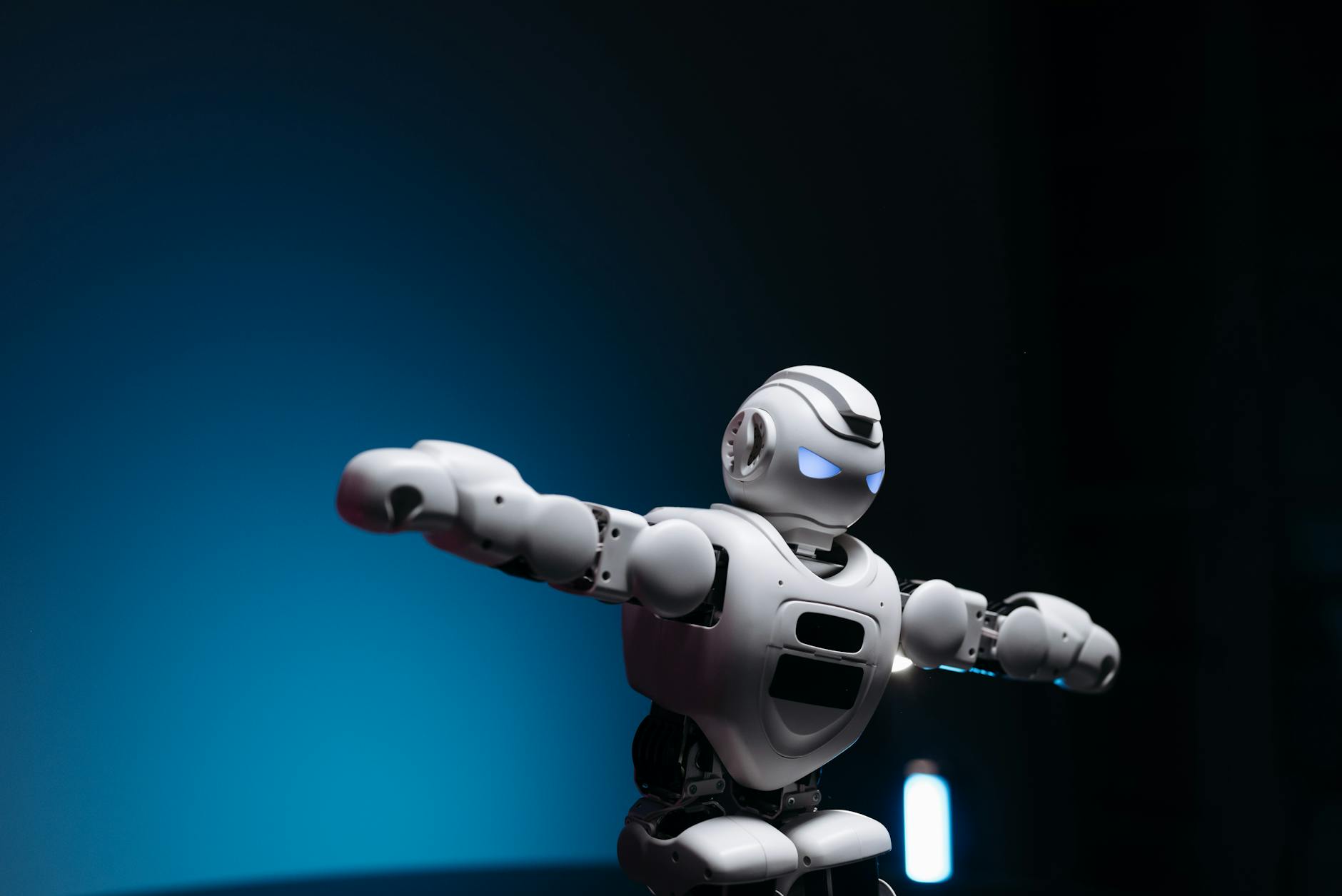
Robotics in 2026 is moving away from ‘fixed-task’ programming toward Embodied AI. By integrating Vision-Language Models (VLMs), robots can now perceive and interact with dynamic environments in real-time. Whether it’s humanoid assistants in logistics or smarter healthcare support systems, the convergence of AI and robotics means machines can now understand natural language commands and execute complex physical tasks, marking the end of the ‘prototype era’ and the beginning of scalable, intelligent automation.
From impressive demos to useful systems
The robotics industry is moving away from machines that simply perform repetitive tasks in fixed environments. Newer systems are becoming more flexible, capable of responding to changing conditions and interacting more intelligently with their surroundings.
This marks an important shift from impressive prototypes to scalable applications.
Why this matters in real life
For businesses, robotics can help reduce labor shortages, improve speed, and increase operational consistency. In industries like warehousing, retail, manufacturing, and delivery, that can create a major competitive advantage.
For consumers, the effects may show up in less obvious ways:
- Faster shipping and logistics
- More automation in stores and services
- Smarter delivery systems
- Better support in healthcare and public services
The challenge
Still, robotics comes with real concerns. Implementation costs remain high, technical reliability is still uneven in some settings, and many workers worry about automation replacing or reshaping jobs.
That does not mean robots will suddenly replace entire industries overnight. But it does mean the workforce conversation around automation is becoming more urgent and more practical than before.
Cybersecurity: Defending Against AI-Powered Threats
As connectivity expands, so does the digital attack surface. In 2026, cybersecurity has evolved into a battle of AI vs. AI. Traditional defenses are no longer enough to stop AI-generated deepfakes and automated phishing campaigns. Organizations are now adopting Zero Trust Architectures and utilizing predictive AI to detect vulnerabilities before they are exploited. Security is no longer an IT option; it is the foundational trust layer of the global digital economy.

Why this matters
Cybersecurity is no longer just an IT department issue. It is a business survival issue and, increasingly, a personal one.
Every connected system adds to the digital attack surface:
- Smart devices
- Cloud services
- AI-powered workflows
- Remote collaboration tools
- Connected homes and vehicles
For businesses, one weak point can create operational, financial, and reputational damage. For consumers, the risk often shows up through scams, account takeovers, identity theft, and manipulated digital content.
The challenge
The problem is that many organizations are adopting new technologies faster than they are securing them. That gap creates a dangerous imbalance.
As more systems become automated and interconnected, trust becomes one of the most valuable assets in the digital economy. In that environment, cybersecurity is not optional infrastructure. It is foundational.
Hyper-Personalization: The Rise of Edge Computing
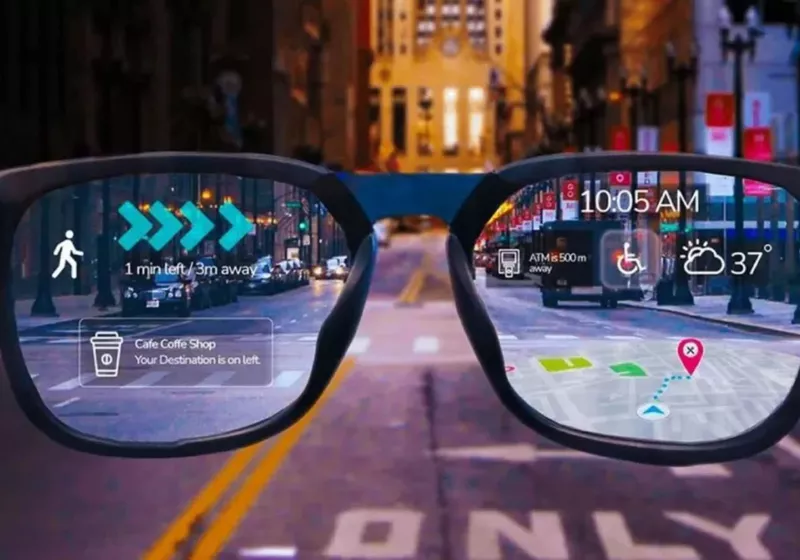
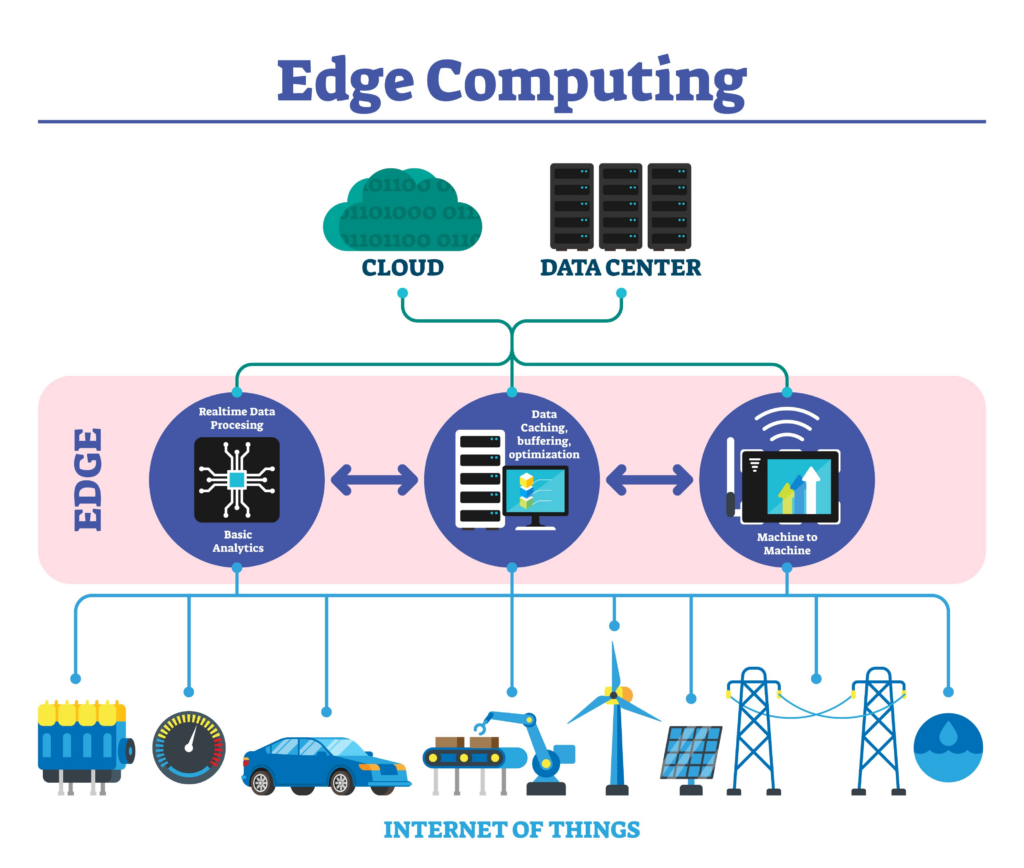
Smart devices have evolved from ‘tools’ to ‘context-aware assistants.’ The trend in 2026 is Hyper-Personalization powered by Edge Computing. By processing personal data locally on the device, manufacturers are solving the long-standing privacy-vs-convenience dilemma. This local processing not only secures user data but also eliminates the lag that often leads to performance issues, such as the common ANR (App Not Responding) errors on Android.
A shift in consumer expectations
This is changing what people expect from technology. Consumers no longer just want faster devices. They want devices that are more helpful, more context-aware, and easier to live with.
That includes features such as:
- Personalized recommendations
- Voice and assistant integration
- AI-enhanced photo and media tools
- Predictive notifications and automation
- More seamless cross-device experiences
Why this matters
For businesses, this trend raises the bar for product design. Companies are under pressure to build products that feel intuitive rather than merely powerful.
For users, the benefit is convenience. Devices are becoming less about manual control and more about intelligent support.
The challenge
The downside, however, is that greater personalization often depends on collecting and interpreting more user data. That creates a tension between convenience and privacy.
This means the future of devices is not just more powerful hardware, but more context-aware technology—and more questions about who controls the context.
Direct-to-Cell: The Era of Universal Connectivity
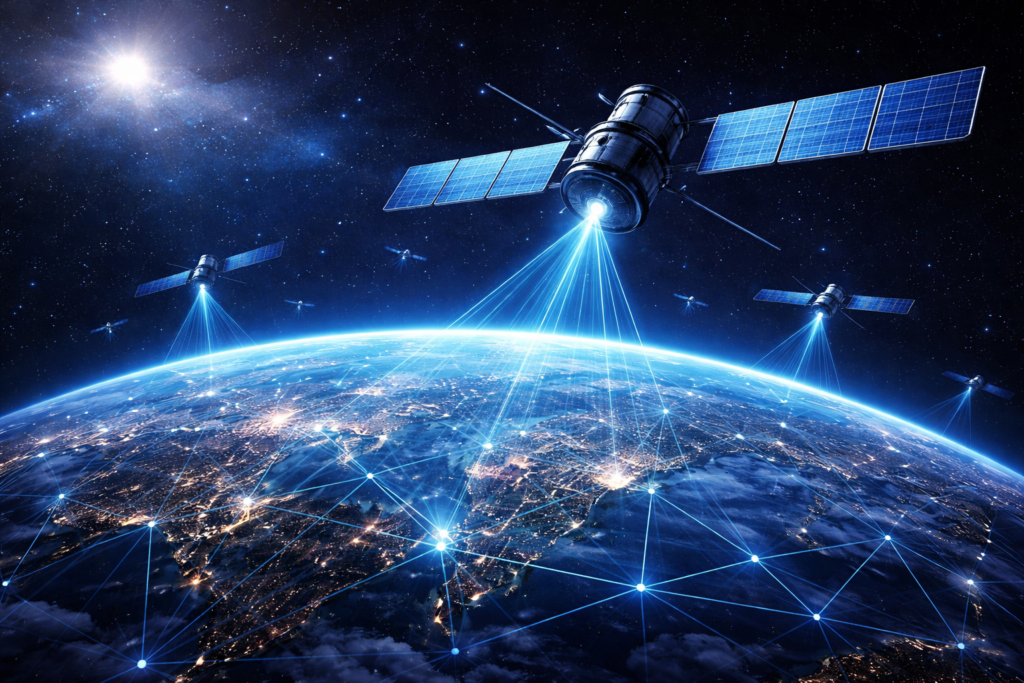
Connectivity in 2026 is defined by the expansion of Direct-to-Cell satellite networks. We are seeing the end of ‘Dead Zones’ as standard smartphones now connect directly to low-Earth orbit satellites (like Starlink’s mobile service). This decentralization of the internet ensures that remote areas, mobility sectors, and global IoT deployments remain connected 24/7, making high-speed internet a global right rather than a geographical privilege.
Why this matters
For years, connectivity was heavily dependent on traditional terrestrial infrastructure. Now, new systems are beginning to change that model.
This development could reshape:
- Digital access in remote areas
- Mobility and transportation systems
- Emergency and backup communications
- Global IoT deployment
- Connectivity for developing and underserved regions
The consumer and business impact
For businesses, stronger and more flexible connectivity can support logistics, tracking, remote operations, and global expansion.
For consumers, it could eventually mean better access, fewer dead zones, and more reliable connectivity in places that were previously underserved.
The challenge
Still, there are barriers to scale. Cost, regulation, technical limitations, and environmental concerns around orbital congestion all remain part of the conversation.
Even so, connectivity is increasingly becoming a competitive layer of technology, not just a background utility.
What These Trends Really Mean
Individually, each of these trends is important. Together, they tell a much bigger story.
Artificial intelligence needs chips. Robotics depends on AI and connectivity. Smart devices rely on data, software, and semiconductor performance. Cybersecurity becomes more urgent as every system becomes more connected and more automated.
That is what makes 2026 such an important year in technology. The most significant shift is not happening in isolated categories. It is happening in the convergence between them.
For businesses, this means digital transformation is becoming less optional and more structural. For consumers, it means everyday life is increasingly shaped by invisible systems working in the background.
The future is not arriving through one breakthrough. It is arriving through integration.
Conclusion
The most important technology story of 2026 is not any single product launch, startup funding round, or company announcement. It is the convergence of artificial intelligence, chip infrastructure, robotics, cybersecurity, smart devices, and connected systems into one powerful transformation.
That brings us back to the bigger point behind the headlines: the real story is not what is trending today, but what is becoming foundational for tomorrow.
The companies and countries that adapt fastest to these shifts will shape the next digital era. For readers, businesses, and creators, understanding these trends now is more valuable than simply following the news. It is a way of understanding where technology is going—and how deeply it is likely to influence everyday life.