Google I/O 2026 is shaping up to be one of Google’s most important developer events in years. The annual conference will take place online on May 19–20, 2026, with the main Google keynote scheduled for May 19 at 10:00 AM PT and the developer keynote later the same day at 1:30 PM PT. Google has also scheduled The Android Show for May 12 at 10:00 AM PT, giving Android fans an early look before the main I/O event begins.
This year, the spotlight is expected to fall on four major areas: Android 17, Gemini AI, agentic automation, and Android XR smart glasses. Google has already said that I/O 2026 will include updates across Gemini, Android, Chrome, Cloud, and more, with a special focus on agentic coding and the latest Gemini model updates.
Android 17: A Major Update for Phones, Tablets and Large Screens
Android 17 will likely be one of the biggest topics at Google I/O 2026. The new Android version is already in beta testing, and Google’s release notes show that Android 17 Beta 4 was released on April 16, 2026. Google describes Beta 4 as the last scheduled beta of this release cycle, which means the platform is getting close to its final public release.
For regular users, Android 17 may bring better performance, improved privacy and security, and a smoother experience across phones, tablets, foldables, and desktop-style Android devices. For developers, Google’s official I/O session says Android 17 will include performance improvements, new media and camera capabilities, and new functionality for desktop and large-screen apps.
This is important because Android is no longer just a smartphone operating system. Google is clearly preparing Android for a future where users move between phones, tablets, foldables, cars, TVs, headsets, and possibly smart glasses.
Gemini Agents: The Next Step After Chatbots
Gemini is expected to be at the center of Google I/O 2026. Over the past few years, AI assistants have moved from simple chatbots to more advanced systems that can help users write, search, summarize, code, plan, and complete tasks.
At I/O 2026, Google is expected to push this even further with agentic AI. In simple terms, AI agents are systems that can understand a goal, break it into steps, and help complete actions with less manual input from the user. Google’s developer materials mention agentic coding and Android’s official I/O session refers to agentic automation that helps users get more done faster.
This could affect almost every Google product. In Gmail, Gemini could help manage emails more intelligently. In Google Docs, it could draft, edit, and organize content. In Android, it could automate daily tasks. In Chrome and developer tools, it could help programmers debug code, build apps, and understand complex workflows faster.
The big question for Google I/O 2026 is not whether Gemini will appear, but how deeply Google will integrate it into Android, Search, Workspace, Chrome, and developer tools.
AI Glasses and Android XR: Google’s Wearable AI Future
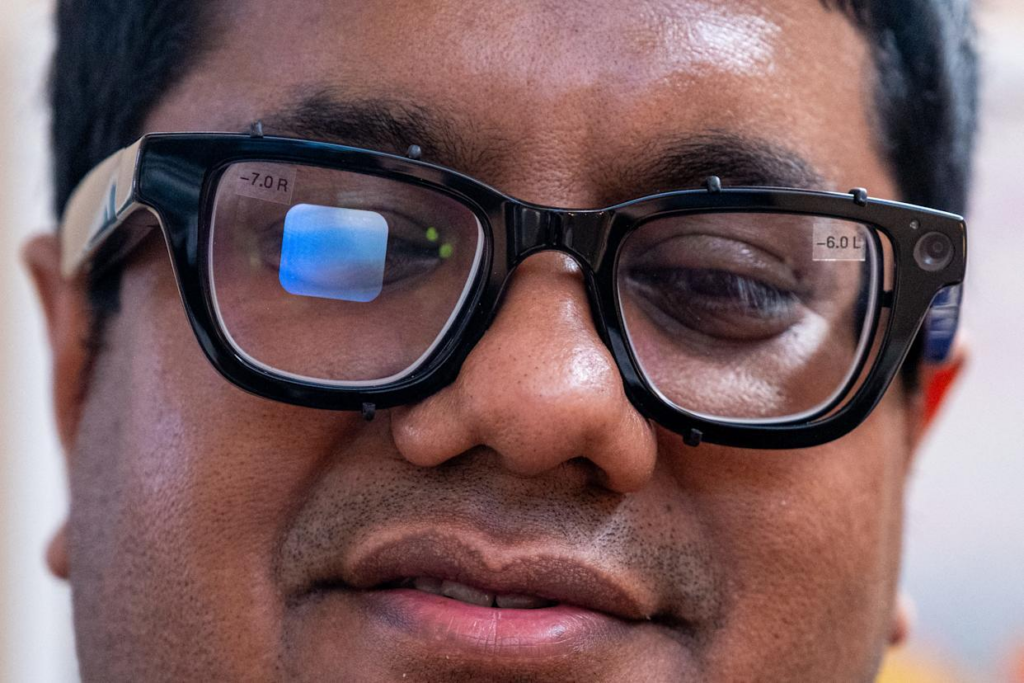
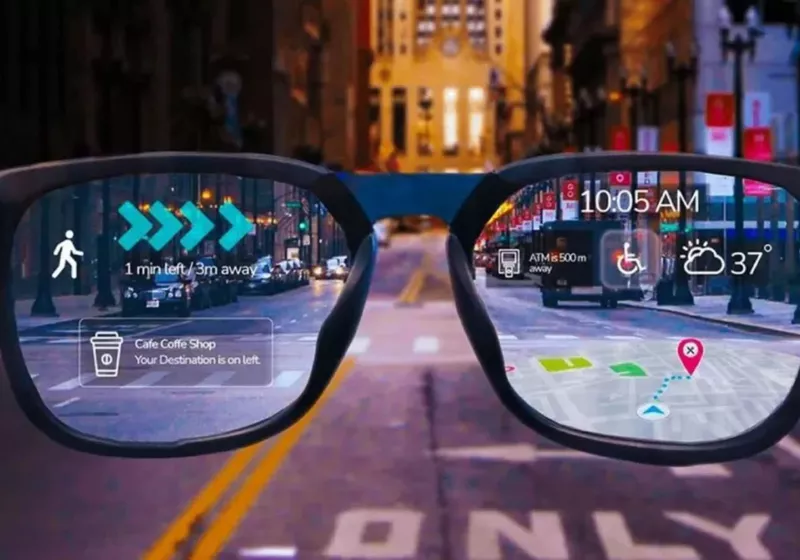
Another major area to watch is Android XR, Google’s platform for extended reality devices such as headsets and smart glasses. Google has already shown how Android XR glasses can work with Gemini to understand what users see and hear, provide real-time information, translate conversations, give directions, send messages, and help users without needing to pull out a phone.
Google is also working with eyewear brands such as Gentle Monster and Warby Parker, as well as Samsung, to create stylish Android XR glasses. According to Google, two types of glasses are planned: screen-free AI glasses with speakers, microphones and cameras, and display AI glasses with an in-lens display for information such as navigation and live translation captions. Google has said the first glasses will arrive in 2026.
This could be one of the most exciting parts of Google I/O 2026. After the failure of the original Google Glass, the company now has something it did not have before: a powerful AI assistant. Gemini could make smart glasses more useful by turning them into a real-time personal assistant instead of just another screen.
What Developers Should Watch
For developers, Google I/O 2026 will not only be about new products. It will also be about new tools.
The developer keynote is expected to focus on Google’s latest AI tools and how developers can use them to build new experiences across platforms. Google’s official I/O schedule says the developer keynote will explore the future of development with AI tools designed to boost productivity and help developers create innovative apps.
Developers should watch for updates related to:
- Android 17 APIs and compatibility
- Gemini integration in apps
- Google AI Studio
- Android XR development tools
- Chrome DevTools with AI
- Firebase and Google Play updates
- Jetpack Compose for large screens, foldables and XR
If Google makes agentic coding a major theme, developers could see new tools that help generate code, fix bugs, test apps, and build AI-powered features faster.
What Regular Users Should Expect
For everyday users, Google I/O 2026 could bring a clearer picture of how Google wants AI to fit into daily life.
Android 17 could make phones more adaptive and secure. Gemini could become more useful across Google apps. Android XR glasses could show how AI might move beyond phones and laptops. Google Search may also continue evolving into a more AI-driven experience, where answers, summaries, and actions are more deeply connected.
The most important shift is that Google appears to be moving from “AI as a feature” to “AI as the core of the ecosystem.” Instead of adding Gemini to one or two apps, Google is likely to connect AI across Android, Search, Chrome, Workspace, Cloud, and future wearable devices.
Why Google I/O 2026 Matters
Google I/O 2026 matters because it could define the next phase of consumer technology. Smartphones are mature. Search is changing. AI assistants are becoming more powerful. Smart glasses and XR devices are moving closer to real-world use.
If Google can combine Android 17, Gemini agents, and Android XR glasses into one connected ecosystem, it could create a new way for people to interact with technology. The phone will still matter, but the next big interface may be more natural: voice, vision, context, and real-time assistance.
Final Thoughts
Google I/O 2026 is expected to be more than a normal developer conference. It could be the event where Google shows how Android, Gemini, AI agents, and smart glasses fit together.
Android 17 will likely bring important improvements for phones and large-screen devices. Gemini could become more agentic and more useful across Google products. Android XR glasses may offer the clearest look yet at Google’s wearable AI strategy.
With The Android Show arriving before the main event and Google I/O following on May 19–20, tech fans, Android users, and developers should pay close attention. Google’s next big move may not be just a new app or feature — it may be a full AI-powered ecosystem.